
Contact Us
+98-21-72921
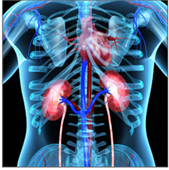
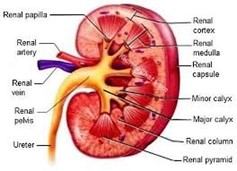
Your kidneys are bean shaped organs, each about the size of your fist. Most people have two kidneys. They are located in the middle of your back just below your rib cage. Each kidney is located on each side of the spine. The kidneys filter all of our body’s blood supply. Each time the heart pumps out blood, approximately 20% is received by the kidneys.
The kidneys have six basic functions:
1) Filter waste products out of your blood
2) Remove extra water out of your blood and make urine
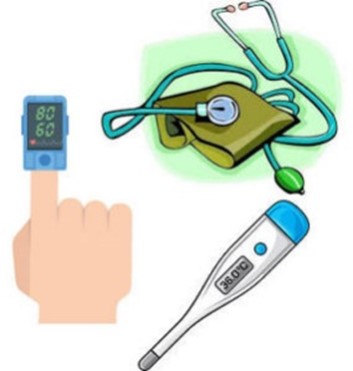
3) Help regulate your blood pressure
4) Help make new red blood cells (RBCs)
5) Maintain the appropriate level of minerals and other substances in your blood (electrolytes and acid/base in balance)
6) Allow the release of certain hormones
Risk Factors for Developing
Chronic Kidney Disease (CKD)
The following are the most common risk factors for developing CKD
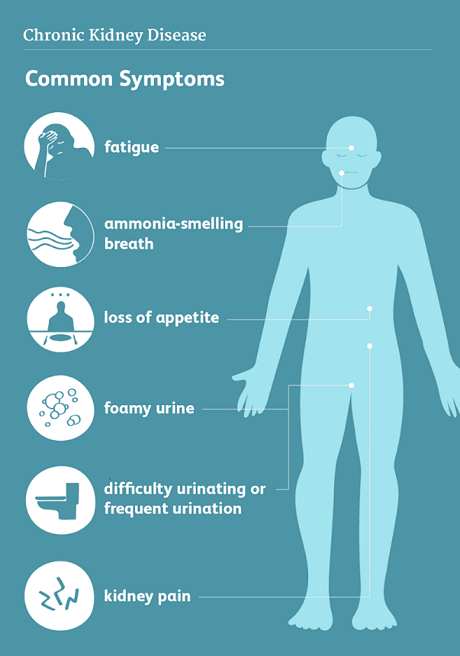
chronic kidney disease is a silent disease process because it is often without symptoms in early stages. The most common causes of CKD are hypertension and diabetes. Other causes of CKD may be inflammation of the kidneys (called glomerulonephritis) or auto-immune diseases like lupus. Kidney disease worsens over time and can lead to kidney failure.
Kidney failure can happen with very little warning and requires dialysis or transplant. There is no cure for kidney disease. There are, however, steps that you can take to keep your kidneys healthy and working longer. If you know you have high blood pressure and/or diabetes, you should talk to your healthcare provider about getting tested for chronic kidney disease.

Many people find it useful to talk to family and friends about important issues such as lifestyle, health, and different dialysis treatments. Different people have different questions and concerns about maintenance dialysis treatment. Talking about these decisions with family members can help people explain to nephrologist what is important for this decision and why. The dialysis treatment group provides information, training and support to patients in deciding the type of dialysis treatment. They talk with patients and their families when making a decision to understand the most appropriate option for dialysis treatment, based on a person’s lifestyle.